

acid etch tempered glass
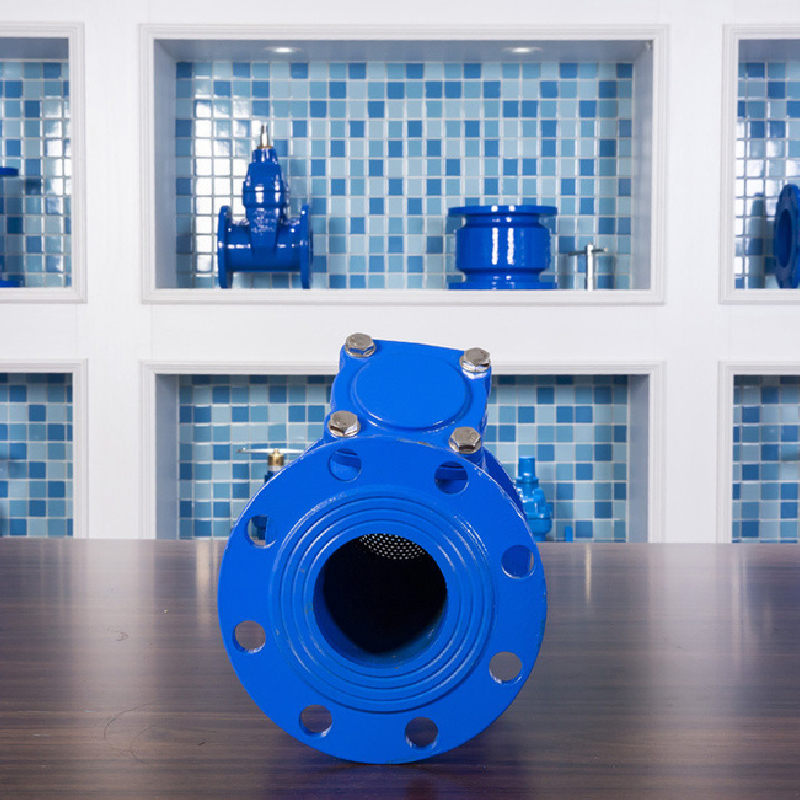
The Importance and Functionality of Large Globe Valves Large globe valves are critical components in various industrial applications, known for their ability to regulate and control the flow of fluids. These valves are characterized by their spherical body shape, which plays a significant role in their functioning. Unlike other types of valves, globe valves provide a more streamlined and effective control of flow, making them a preferred choice in many systems. Understanding Globe Valves A globe valve operates by using a movable disk – known as the plug – that is positioned in line with the flow of the fluid. When the valve is closed, the plug sits against a seat, blocking the flow and ensuring that the system is pressurized. Conversely, when the valve is opened, the plug lifts away from the seat, allowing for fluid to pass through. This mechanism allows for precise control over the flow rate, which can be crucial in processes where the concentration or speed of a fluid is important. Applications of Large Globe Valves Large globe valves are predominantly used in applications that deal with substantial flow rates and pressures. Industries such as oil and gas, water treatment, power generation, and chemical manufacturing extensively employ these valves. For example, in oil and gas pipelines, large globe valves are essential in controlling the flow of crude oil and natural gas under high-pressure conditions. Their ability to withstand harsh environments while providing reliable operation makes them an indispensable part of these systems. In power plants, large globe valves are used to regulate steam flow in turbines and other critical components. Proper management of steam flow is vital for efficiency and safety, and large globe valves help ensure that these systems operate optimally. In water treatment facilities, these valves aid in controlling the flow of water during various stages of purification, thus contributing to the delivery of safe drinking water. Design Features large globe valve The design of large globe valves varies depending on the specific needs of the application. Typically, they are made from robust materials such as stainless steel, bronze, or carbon steel, commensurate with the fluids they handle. The size and construction are essential, as larger valves may need to accommodate higher pressure and temperature requirements. These valves can be designed in various styles, including bolted bonnet and welded body configurations, allowing for different installation needs and maintenance preferences. The end connections also vary, with options for flanged connections or threaded ends, further enhancing versatility. Another critical design aspect is the valve’s actuator. Large globe valves can be operated manually or automatically via electric, pneumatic, or hydraulic actuators. The choice of actuator affects the speed of operation and the level of control available, making it essential for engineers to select the right type according to the system requirements. Maintenance and Lifespan While large globe valves are built for durability, regular maintenance is essential for ensuring their longevity and reliable performance. Routine inspections can identify issues such as wear and tear on seals and seats, which, if left unaddressed, can lead to leaks and inefficiencies. Lubrication of moving parts is vital to prevent corrosion and guarantee smooth operation. Additionally, in applications where the valve may remain in a closed or partially closed position for extended periods, it is crucial to cycle the valve regularly to prevent the seating surface from bonding with the seat material. Conclusion In conclusion, large globe valves serve a fundamental role in managing fluid flow across various industrial sectors. Their unique design allows for precise control over flow rates, making them particularly valuable in high-pressure and high-flow applications. With proper maintenance and care, these valves can provide reliable service and safety, thereby ensuring the efficiency and sustainability of critical systems. As industries evolve, the continual enhancement of globe valve technology will further bolster their importance in modern engineering solutions.
about
acid etch tempered glass
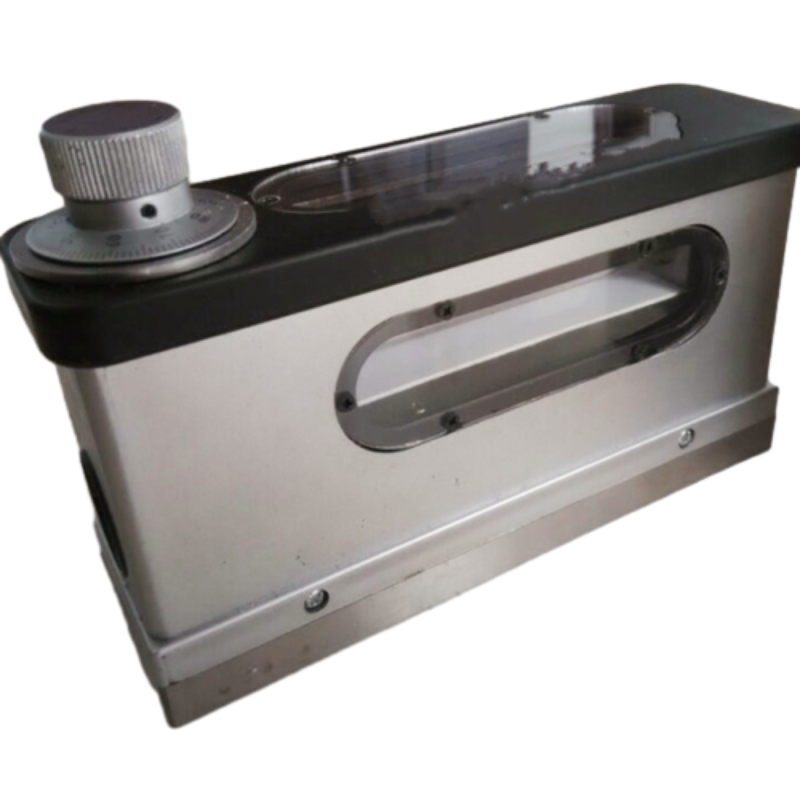
Measuring Tools and Equipment Understanding Their Importance and Usage Measuring tools and equipment are essential components in various fields, including construction, engineering, manufacturing, and scientific research. These tools play a pivotal role in ensuring accuracy, precision, and efficiency in measurements, which are critical for successful project outcomes. With advancements in technology, the variety and sophistication of measuring equipment have evolved significantly, catering to diverse requirements across different industries. Types of Measuring Tools 1. Length Measurement Tools One of the most common categories of measuring tools is length measurement instruments. This category includes rulers, tape measures, calipers, and micrometers. Rulers and tape measures are widely used in everyday tasks, while calipers and micrometers provide higher accuracy for engineering and manufacturing applications. 2. Angle Measurement Tools Instruments such as protractors and digital angle finders help determine angles accurately, which is crucial in fields like construction and woodworking. These tools enable precise cutting and assembly of materials, ensuring that projects maintain structural integrity and aesthetic appeal. 3. Mass Measurement Tools Scales and balances are fundamental for measuring mass. From kitchen scales used in culinary applications to precision balances in labs, these tools are vital for quantitative analysis and quality control processes. 4. Temperature Measurement Tools Thermometers, thermocouples, and infrared sensors are examples of tools used to measure temperature. Accurate temperature readings are crucial in industries like food processing, pharmaceuticals, and HVAC, where temperature control can significantly impact product quality and safety. 5. Pressure Measurement Tools Pressure gauges and manometers are essential in various industries, including automotive, aerospace, and chemical processing, where understanding fluid dynamics and system performance is critical. measuring tools and equipment 6. Electrical Measurement Tools Multi-meters, oscilloscopes, and clamp meters are essential for measuring electrical parameters such as voltage, current, and resistance . These tools are widely used by electricians and engineers to ensure the safe and efficient operation of electrical systems. Importance of Accuracy and Precision One of the primary reasons measuring tools and equipment are indispensable is their ability to provide accuracy and precision. Accurate measurements are crucial in ensuring that components fit together correctly, materials are used efficiently, and safety standards are met. In many industries, even a slight deviation from the prescribed measurements can lead to significant errors, financial losses, or safety hazards. For example, in construction, errors in measurements can result in structural failures, while in manufacturing, inaccuracies can lead to defective products, waste of materials, and increased costs. Thus, investing in high-quality measuring tools and ensuring proper calibration and maintenance is essential for any organization. Technological Advancements The rise of digital technology has revolutionized measuring tools and equipment. Digital calipers, laser distance meters, and electronic levels enhance accuracy and ease of use. These modern tools often come equipped with features like memory storage, data output, and connectivity options, allowing users to manage measurements efficiently. Furthermore, the integration of software with measuring equipment enables real-time data analysis and reporting, facilitating more informed decision-making. Conclusion Measuring tools and equipment are fundamental to a wide range of industries and applications. Their role in ensuring accuracy, precision, and efficiency cannot be overstated. As technology continues to advance, the evolution of these tools presents exciting opportunities for improvement in measurement practices. For professionals in fields relying heavily on measurements, staying abreast of new tools and techniques is essential for maintaining a competitive edge and achieving success in their respective areas. Investing in high-quality measuring equipment and embracing technological innovations will undoubtedly lead to enhanced productivity and superior outcomes.
-

High quality industrial productsagement

High quality industrial products
View Details -

Meet the diverse needs of customers

Meet the diverse needs of customers
View Details -

Strict quality control

Strict quality control
View Details -

Top raw materials

Top raw materials
View Details -

Trusted supplier

Trusted supplier
View Details
Our application


news and information

Versatile L-Shaped Metal Ruler for Precision Measuring and Layout Tasks
The Versatility of the Metal L-Shaped Ruler In the realm of tools and instruments, few items are as
Why the Right Angle Ruler Reigns in Metalworking
In the high-stakes world of metal fabrication, machining, and welding, precision isn't just desirabl

What are the Main Application Areas of Butterfly Valves
Butterfly valves , as an important industrial valve, have a wide and diverse range of applications.
 English